TL;DR: Not every boiler fault is an emergency, but you should address issues such as gas or carbon monoxide risks, major leaks, electrical faults, and complete heating failures immediately. Knowing when you need emergency boiler repair, and when a fault can wait, could keep your home safe and reduce the risk of costly breakdowns.
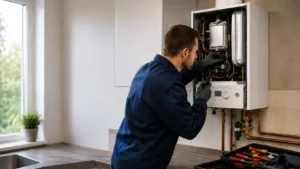
Emergency boiler repairs are needed when a fault goes beyond inconvenience and poses a genuine risk to your safety or home. Our boiler repairs service covers a full range of faults, from minor fixes to full system failures.
A boiler breakdown is never convenient, but identifying a true emergency, versus a fault that can wait for a routine call-out, could make the difference between a safe home and a serious risk.
When your boiler fails during freezing temperatures, starts leaking water, or emits unusual smells, treat it as an emergency requiring immediate attention.
Some boiler faults can wait for a scheduled repair appointment, but others pose immediate risks to your safety, comfort, or property. Never ignore a complete loss of heating during winter, signs of a gas leak, water escaping from the system, or unusual noises and smells.
Your Boiler System
Boilers are the heart of many home heating systems, providing warmth and hot water throughout the year.
While most homeowners rely on their boiler every day, few understand how the system works or the differences between the various types available.
A basic understanding of your boiler can help you identify potential issues early and ensure your heating system operates safely and efficiently.
How do boilers work?
A boiler heats water using gas, electricity, oil, or another fuel source. The boiler then circulates the heated water through radiators, underfloor heating systems, or taps to provide heating and hot water throughout the property.
Modern boilers use controls, pumps, and safety features to regulate temperature and maintain efficient operation.
Common types of boilers
Combi Boilers
Combi (combination) boilers provide both central heating and hot water directly from a single unit. They do not require a separate hot water cylinder or cold water storage tank, making them a popular choice for smaller homes and properties with limited space.
System Boilers
System boilers work alongside a hot water cylinder but do not require a separate water tank in the loft. They can supply hot water to multiple taps simultaneously, making them well suited to medium and larger households with higher hot water demands.
Regular Boilers
Regular boilers, sometimes called conventional or heat-only boilers, use both a hot water cylinder and a cold water storage tank. These systems are often found in older properties and homes with traditional heating setups.
Importance of regular maintenance
Regular boiler maintenance helps keep your heating system operating safely, efficiently, and reliably. Our boiler servicing team can help identify issues before they escalate into emergency boiler repairs.
Annual servicing can identify worn components, improve energy efficiency, and reduce the likelihood of unexpected breakdowns. Find out more about what to expect from an annual boiler service. It can also help extend the lifespan of the boiler.
Routine maintenance ensures that safety features function correctly. You may also need it to maintain manufacturer warranties.
Signs You Need Emergency Boiler Repairs
Boilers often provide warning signs before a major breakdown occurs. Some issues may seem minor at first, but ignoring them can lead to more expensive repairs, system failure, or even safety risks. Spotting these signs early means you can call for emergency boiler repair before a situation becomes dangerous.
If you notice any of the following symptoms, seek professional assistance as soon as possible.
Unusual noises (gurgling, banging)
Modern boilers are designed to operate relatively quietly, so never ignore unexpected sounds.
Banging, clunking, whistling, gurgling, or vibrating noises can indicate problems such as trapped air, low water pressure, or limescale build-up. They may also point to failing components or circulation issues within the system.
Leaks or water pooling around the boiler
Investigate any visible water around your boiler immediately. Leaks can result from damaged seals, corroded components, faulty pressure valves, or internal system faults.
Even a small leak can cause water damage and reduce system efficiency. Left unresolved, it can also lead to more serious boiler failures.
Sudden loss of heat or hot water
A complete loss of heating or hot water is one of the clearest signs that something is wrong with your boiler.
Low system pressure, faulty thermostats, broken pumps, ignition failures, or internal component faults can all cause this.
If your boiler stops providing heat or hot water unexpectedly, especially during colder weather, contact a professional promptly.
Safety Concerns with Boiler Malfunctions
Boiler problems are not always limited to inconvenience or discomfort. In some cases, faults can create serious safety risks that require immediate action. The Health and Safety Executive (HSE) provides guidance on what to do if you suspect a gas emergency.
Understanding these dangers can help you recognise when you should treat a boiler issue as an emergency.
Risks of carbon monoxide leaks
Carbon monoxide is a colourless, odourless gas that a boiler can produce when it burns fuel incorrectly. Human senses cannot detect it, and people often call it the “silent killer”.
Symptoms of carbon monoxide exposure can include:
- Headaches
- Dizziness
- Nausea
- Confusion
- Shortness of breath
If you suspect a carbon monoxide leak, switch off the boiler if it is safe to do so, open windows and doors, leave the property, and seek professional assistance immediately. Always check that gas engineers hold Gas Safe Register accreditation before allowing anyone to work on your boiler.
Potential for water damage
A leaking boiler can cause significant damage to your home if you do not address it quickly. Water can affect flooring, walls, ceilings, electrical systems, and nearby furnishings.
Small leaks can worsen over time, leading to costly repairs and potential structural issues. Prompt action can minimise damage and prevent further complications.
Fire hazards associated with faulty boilers
Although modern boilers include multiple safety features, faults within electrical components, wiring, or internal systems can increase the risk of overheating and, in rare cases, fire.
Always treat burning smells, scorch marks, smoke, or signs of electrical damage as serious warning signs.
If you notice any of these issues, switch off the boiler if it is safe to do so and contact a qualified engineer without delay.
Common Emergency Boiler Repairs: What to Expect
Not every boiler fault requires an emergency callout, but certain issues can leave your home without essential heating or hot water. Some can also create safety concerns or increase the risk of further damage.
Recognising these common boiler emergencies can help you determine when to call for immediate professional assistance. Read our guide on boiler repairs explained for more detail on the repair process.
Complete breakdown of the heating system
A complete heating system failure is one of the most common boiler emergencies, particularly during colder months. When the boiler stops functioning entirely, your home loses heating, hot water, or both.
This is especially problematic for households with young children, elderly residents, or vulnerable individuals who rely on a warm indoor environment.
If a full breakdown occurs unexpectedly, call an engineer as soon as possible.
Pressure loss and its implications
Boilers rely on the correct pressure to operate effectively. If system pressure drops too low, the boiler may stop working altogether or struggle to heat your home properly.
Leaks, faulty valves, bleeding radiators, or issues within the heating system itself can all cause pressure loss. While occasional pressure adjustments may be straightforward, recurring pressure loss often points to an underlying fault that needs professional attention.
Thermostat failures leading to extreme temperatures
A faulty thermostat can prevent your boiler from accurately regulating temperature throughout your home.
In some cases, this may leave the property without sufficient heating. In others, it can cause the system to run continuously, creating excessively high temperatures and unnecessary energy consumption.
Sudden temperature fluctuations, unresponsive controls, or heating that fails to switch on or off properly may indicate a thermostat-related emergency. Arrange a prompt diagnosis and repair.
Non-Emergency Boiler Issues
Some boiler problems require immediate attention, but many faults can be safely monitored and repaired during a scheduled maintenance visit. If your boiler is ageing and breaking down repeatedly, it may be worth exploring a new boiler installation rather than ongoing emergency boiler repairs costs.
Understanding which issues are urgent and which can wait helps you avoid unnecessary emergency callout costs while ensuring genuine risks get addressed promptly.
Minor leaks that can be managed temporarily
Not every boiler leak constitutes an emergency. Small drips from external pipework, loose fittings, or minor condensation-related issues may not need immediate intervention if they are not causing damage or affecting the boiler’s performance.
However, monitor any leak carefully. Even minor water loss can worsen over time and lead to more significant problems if you leave it unchecked.
Preparing for a Boiler Emergency
No homeowner can completely prevent boiler problems, but a proactive approach can significantly reduce the risk of unexpected breakdowns. It can also improve your ability to respond if an emergency occurs.
A little preparation can help protect your property, maintain household comfort, and ensure help is available when you need it most.
Tips for homeowners to minimise risks
Many boiler emergencies can be avoided through regular monitoring and simple preventative measures.
Taking a few minutes to check your heating system from time to time can help identify potential problems before they develop into costly repairs or unexpected breakdowns.
- Listen for unusual noises such as banging, whistling, gurgling, or vibrating sounds.
- Check for visible leaks, damp patches, or water pooling around the boiler.
- Monitor warning lights and error codes displayed on the boiler’s control panel.
- Ensure boiler pressure remains within the manufacturer’s recommended range.
- Keep vents, air intakes, and flues free from obstructions.
- Install and regularly test carbon monoxide alarms throughout the property.
How to Find a Reliable Emergency Boiler Repairs Service
When searching for emergency boiler repairs, look for engineers who are fully qualified, experienced, and available to respond quickly.
Check customer reviews, verify credentials, and confirm that the engineer holds the right registration for your boiler type.
Choose a reputable provider with transparent pricing, clear communication, and emergency callout availability. This helps ensure the issue resolves efficiently and with minimal disruption.
Importance of budgeting for unexpected repairs
Boiler breakdowns rarely occur at a convenient time, which is why setting aside funds for home maintenance is a good idea. An emergency savings fund can help cover unexpected repair costs without causing financial strain.
Some homeowners also choose to invest in boiler cover or maintenance plans that include emergency callouts and repairs. These provide added peace of mind should a fault occur unexpectedly.
Emergency Boiler Repairs FAQs
What Counts as a Boiler Emergency?
A boiler emergency is any fault that poses a safety risk, causes significant property damage, or leaves your home without essential heating or hot water. Examples include suspected gas leaks, carbon monoxide concerns, major water leaks, electrical faults, and complete boiler breakdowns during cold weather.
Should I Turn My Boiler Off if It Starts Leaking?
If you notice water leaking from your boiler, switch the system off and contact a qualified engineer. Continuing to use a leaking boiler can worsen the fault, cause water damage, and potentially affect electrical components.
Can Low Boiler Pressure Cause a Breakdown?
Yes. If boiler pressure drops too low, the system may stop working or struggle to provide adequate heating and hot water. A qualified engineer should investigate recurring pressure loss to identify and resolve any underlying faults.