Energy bills have been a genuine source of stress for households across Leeds and Yorkshire over the past few years. If you’re looking for practical, proven ways to reduce heating bills, this guide is for you. While prices have steadied somewhat, most of us are still paying noticeably more than we were, and every pound saved matters.
Here are eight tips that actually move the needle, in roughly the order we’d recommend tackling them.
1. Upgrade to a Smart Thermostat to Reduce Heating Bills
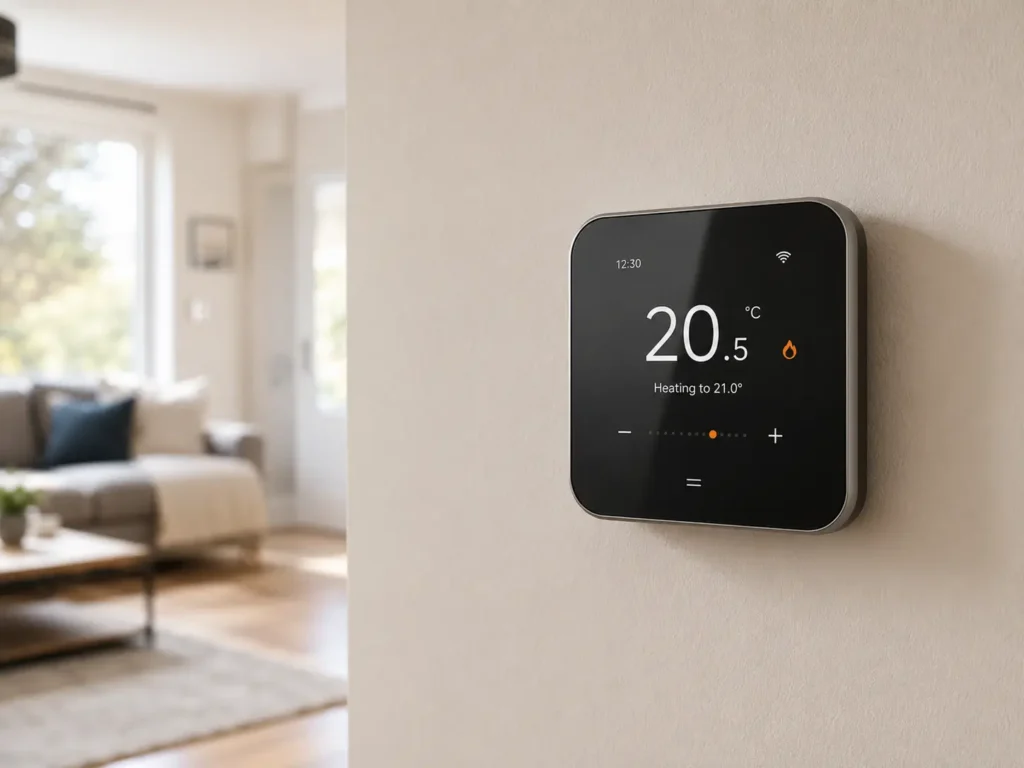
If you’re still using a basic dial thermostat or a fixed programmer, upgrading to a smart thermostat is one of the most impactful single changes you can make. Models like Hive, Nest (Google Home), and Honeywell T6 Pro learn your routine over time and adjust automatically, heating when you’re home, easing off when you’re not.
The remote control via your phone is genuinely useful too. Running late? Delay the heating from your commute. Heading away? Turn it off from wherever you are.
Research consistently shows smart thermostats reduce heating bills by around 10–15% for most homes. For a typical Yorkshire household, that’s a meaningful saving across a winter.
2. Turn the Thermostat Down by Just 1°C
Simple but effective. Dropping your target temperature from 21°C to 20°C can reduce heating bills by around 10%.
Most people genuinely don’t notice the difference in comfort, especially with draughtproofing in place (see tip 7). Try it for two weeks before deciding it doesn’t work.
3. Bleed Your Radiators to Lower Heating Bills
Cold at the top, warm at the bottom? That’s trapped air stopping the radiator from filling fully with hot water. Your boiler compensates by running longer — burning more gas to heat a room that’s only half doing its job.
It’s a five-minute task with a radiator key. Do it once a year, ideally at the start of autumn, and you’ll notice the difference in how quickly rooms warm up.
➜ Step-by-step guide → How to Bleed a Radiator in the UK
4. Get Your Boiler Serviced
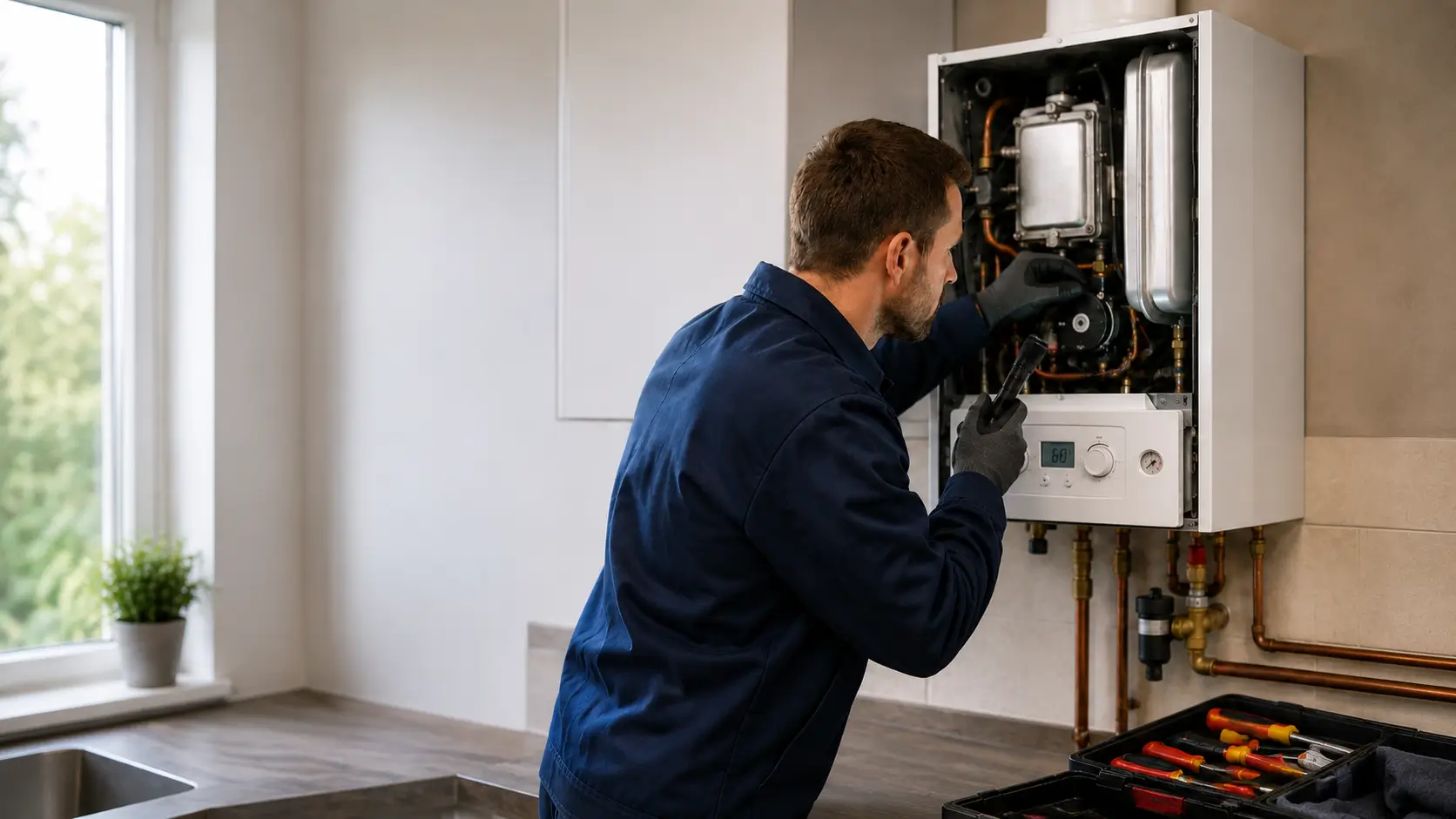
A boiler running inefficiently uses more gas to produce the same heat.
Over a full winter, that adds up. An annual service, carried out by a Gas Safe registered engineer, cleans internal components, checks gas pressure, and ensures everything is running as efficiently as it should be.
It also catches small problems before they become expensive ones. A mid-summer service is far preferable to an emergency repair in January when every engineer in Leeds is fully booked.
➜ Book a service or read more → Boiler Service in Leeds
5. Check Your Boiler Pressure
Low boiler pressure (below 1 bar) means the heating system isn’t running at full efficiency rooms take longer to warm up and radiators may never fully reach temperature.
You can top up pressure yourself via the filling loop in a few minutes, but if it keeps dropping, that points to a slow leak or a faulty pressure relief valve that needs an engineer.
➜ Full guide → Boiler Pressure Too High? Here’s How to Fix It
6. Use Heating Zones Properly
If your home has a zoned heating system, or you’re thinking about creating one, use it. Heating bedrooms to 21°C from 5pm when you won’t use them until 10pm wastes a surprising amount of energy.
Programmable TRVs (thermostatic radiator valves) on individual radiators are an affordable way to create basic room-by-room temperature control without a full system overhaul.
Combined with a smart thermostat, they give you genuinely granular control over where heat goes and when.
7. Tackle Draughts, Especially in Older Properties
Yorkshire has a lot of beautiful older stone houses. They also tend to have gaps around original window frames, under doors, and along skirting boards where heat quietly escapes through winter.
Draught-proofing strips for doors and windows are inexpensive and easy to fit yourself.
A draught excluder on the letterbox and gap filler around skirting boards makes more difference than most people expect, reducing how often the boiler has to fire up to maintain temperature throughout the day.
8. Insulate Your Hot Water Cylinder to Cut Heating Costs
If you have a hot water cylinder (common in older systems and in homes with heat pumps), make sure it has a proper British Standard insulating jacket.
An unlagged cylinder loses heat continuously energy you’ve already paid for, slowly disappearing into the airing cupboard.
A jacket costs very little and pays for itself quickly. Check existing insulation is intact and properly fitted. They do degrade over time and a loose jacket is barely better than none.
What Should You Do Next to Reduce Heating Bills?
The tips above are mostly low-cost and quick to implement. If you want to go further, the highest-impact options for Yorkshire homeowners tend to be:
- Loft and cavity wall insulation: among the best-return home improvements available
- A new, efficient boiler: modern A-rated condensing boilers are significantly more efficient than units from a decade ago; 0% finance available through Northern Heatlink
- An air source heat pump: eligible for a £7,500 government grant through the Boiler Upgrade Scheme
Not sure what would make the most difference for your home specifically? Our team is happy to give you a straight answer, no pressure, no obligation.